

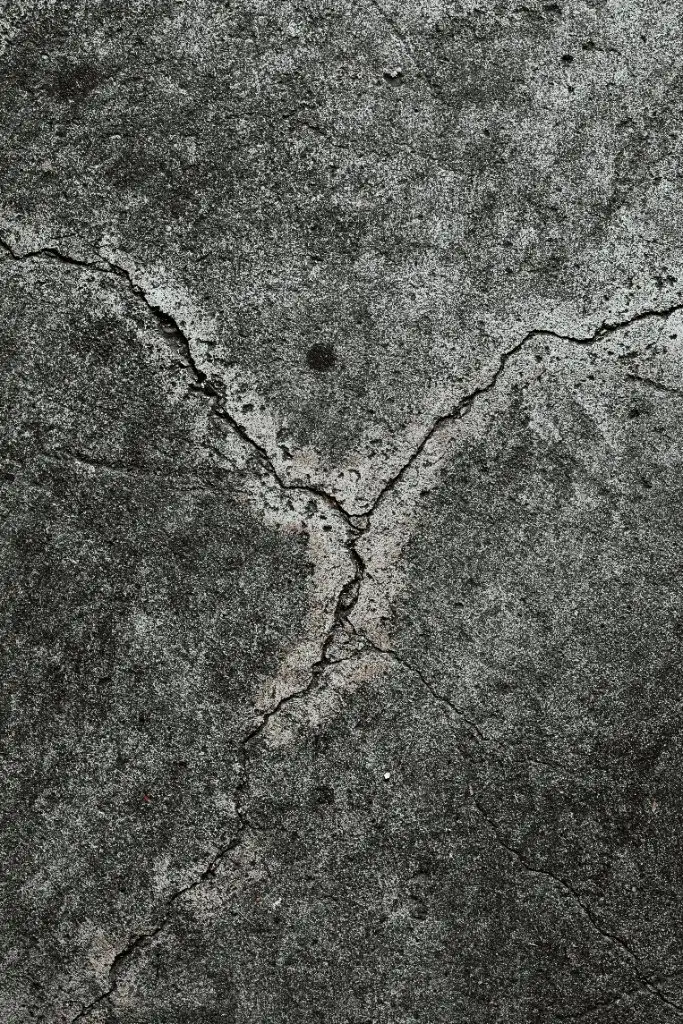
Concrete is one of the most expensive surfaces on a property, and one of the easiest to postpone looking after. Protecting it is usually cheaper than the repair it prevents.
Water is the common cause
Cracks, scaling, moss and efflorescence all start the same way: water getting into the porous surface and staying there. Reduce what gets in and you slow all of them at once.
That is the whole argument for protection. It is not a cosmetic coat, it is a way of controlling moisture.
Salt and winter
In states with real winters, de-icing salt is the single hardest thing a driveway faces. It draws water in, expands as it crystallises, and multiplies the freeze-thaw cycles the surface goes through.
A surface that repels water has much less to freeze, which is why a protected slab usually scales far less than an unprotected one beside it.
Oil, moss and appearance
Oil and fuel stains sit in the same pores as water. Moss and algae hold moisture against the surface in shaded areas and make it slippery underfoot.
A protected surface resists all three better, and cleans up more easily when something spills.
When it is worth doing
New concrete, once cured, is the easiest surface to protect. Sound older concrete benefits too, provided the cracks and spalling are dealt with first.
If the slab has failed structurally, we say so: protection preserves sound concrete, it does not rebuild broken concrete.
Source
Written for Dr. Armor. The original GoNano article this guide draws on: Why sealing your concrete is essential
Questions
Common questions, answered in full
- How long does roof rejuvenation last?Coverage runs from 3 to 20 years, and the roof’s condition score decides which.
- Can you treat a roof that is leaking?No. A leak is a repair job and has to be fixed before any treatment.
- What does the warranty cover?Peeling, curling or warping caused by the treatment, and water getting through.