

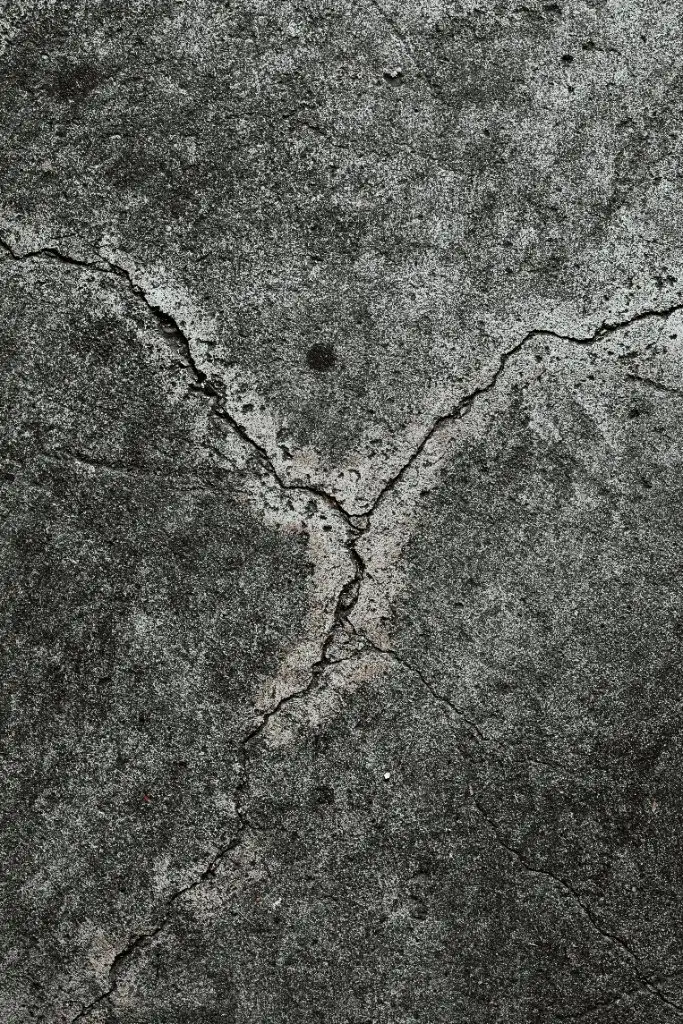
A concrete surface that gets a little attention twice a year outlasts a better slab that gets none. This is the routine, in the order it should happen.
Step one: wash it properly
Clear debris, then wash with a mild detergent and a stiff brush or a low-pressure washer. High pressure on concrete is a good way to open the surface and strip whatever protection is left.
Rinse thoroughly, because detergent residue left in the pores works against anything applied afterwards.
Step two: inspect and repair
Walk the slab and look for cracks wider than a hairline, spalling, settled areas and open joints. Small cracks and failed joint sealant are worth fixing before they become water paths into the base.
Anything structural, or any slab that has dropped, is a repair decision rather than a maintenance one.
Step three: protect what is sound
Once the surface is clean and the repairs are done, a penetrating treatment reduces how much water, salt and oil get in. That is what turns the routine from cleaning into protection.
Note the date. Most treatments tell you what to expect, and noticing when water stops beading is more useful than a calendar reminder.
Step four: keep the details working
Re-seal joints when sealant pulls away, keep downspouts discharging clear of the slab, and clear moss and leaf litter from shaded edges.
None of it takes long. All of it decides whether the surface is still sound in ten years.
Source
Written for Dr. Armor. The original GoNano article this guide draws on: A step-by-step guide to maintaining concrete surfaces
Questions
Common questions, answered in full
- How long does roof rejuvenation last?Coverage runs from 3 to 20 years, and the roof’s condition score decides which.
- Can you treat a roof that is leaking?No. A leak is a repair job and has to be fixed before any treatment.
- What does the warranty cover?Peeling, curling or warping caused by the treatment, and water getting through.